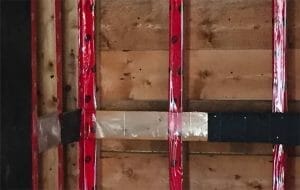
Stop Drafts Cold with Spray Foam Insulation
As the leaves change color and the temperatures drop, homeowners nationwide prepare for fall and the colder months ahead. One of the most common challenges during this time is keeping your home warm and comfortable without breaking the bank on heating bills. Drafty areas around windows, doors, and other openings can make your home chilly and inefficient. But fear not. There’s a solution that can stop drafts cold and save you money on energy costs: wall and roof spray foam insulation.
What is Spray Foam Insulation?
Spray foam insulation is a versatile and effective way to seal gaps, cracks, and voids in your home’s building envelope. It’s made up of two main components: polyol resin and isocyanate. When these two components are mixed, they undergo a chemical reaction that causes the mixture to expand and harden. This expanding roof foam spray insulation can be sprayed or injected into cavities, filling them completely and creating an airtight seal.
Why Choose Spray Foam Insulation?
Superior Insulation: Spray foam insulation provides one of the highest R-values per inch of any insulation material, offering exceptional thermal resistance. This helps keep your home warm in the winter and cool in the summer.
Air Sealing: Unlike traditional insulation materials like fiberglass or cellulose, spray foam doesn’t just insulate; it also seals. It expands to fill even the tiniest gaps and cracks, creating an airtight barrier that prevents drafts and air infiltration.
Energy Efficiency: By eliminating drafts and air leaks, spray foam insulation can significantly reduce heating and cooling costs. A more energy-efficient home means lower utility bills.
Moisture Barrier: Closed-cell spray foam acts as a moisture barrier, preventing water vapor from passing through it. This can help protect your home from moisture-related issues like mold and mildew.
Longevity: Spray foam insulation can last for the life of your home without the settling or deterioration that can occur with other insulation materials.
How Does Spray Foam Insulation Work?
Spray foam insulation is applied by trained professionals who use specialized equipment. Here’s how the process typically works:
- Assessment: A professional insulation contractor assesses your home to identify areas that need insulation or air sealing. They’ll locate drafts, gaps, and other problem areas.
- Preparation: The contractor covers surfaces, like windows and floors, that shouldn’t be coated with foam. They also ensure the area is clean and free from debris.
- Mixing and Application: The two components of the spray foam (polyol resin and isocyanate) are mixed on-site using special equipment. The mixture is then sprayed or injected into the targeted areas, expanding to fill voids and hardening.
- Trimming and Cleanup: After the foam has cured, any excess material is trimmed away, leaving a smooth, sealed surface. The contractor cleans up the work area, leaving your home tidy.
- Inspection: A final inspection is conducted to ensure that all gaps and cracks have been properly sealed, and that the insulation is evenly distributed.
Benefits of Fall Insulation Installation
Fall is an ideal time to have spray foam insulation installed in your home for several reasons:
- Prevent Winter Drafts: By sealing gaps and cracks now, you’ll prevent cold drafts from entering your home during winter.
- Lower Heating Bills: A well-insulated home requires less energy to heat, resulting in lower heating bills throughout the fall and winter.
- Improved Comfort: Enjoy a cozier and more comfortable home with fewer temperature fluctuations.
- Avoid Ice Dams: Proper attic insulation can help prevent ice dams on your roof, which can cause significant damage.
- Moisture Control: Fall insulation installation can help keep moisture at bay, reducing the risk of mold and mildew growth.
Call Spray City Insulation Today
Before winter, consider consulting with a professional insulation contractor in Toronto to assess your home’s insulation needs. Investing in spray foam insulation this fall, you’ll stop cold drafts and enjoy a more comfortable and energy-efficient home throughout the colder months.