Do It Yourself Spray Foam Insulation

Do It Yourself Spray Foam Insulation

Do It Yourself Spray Foam Insulation

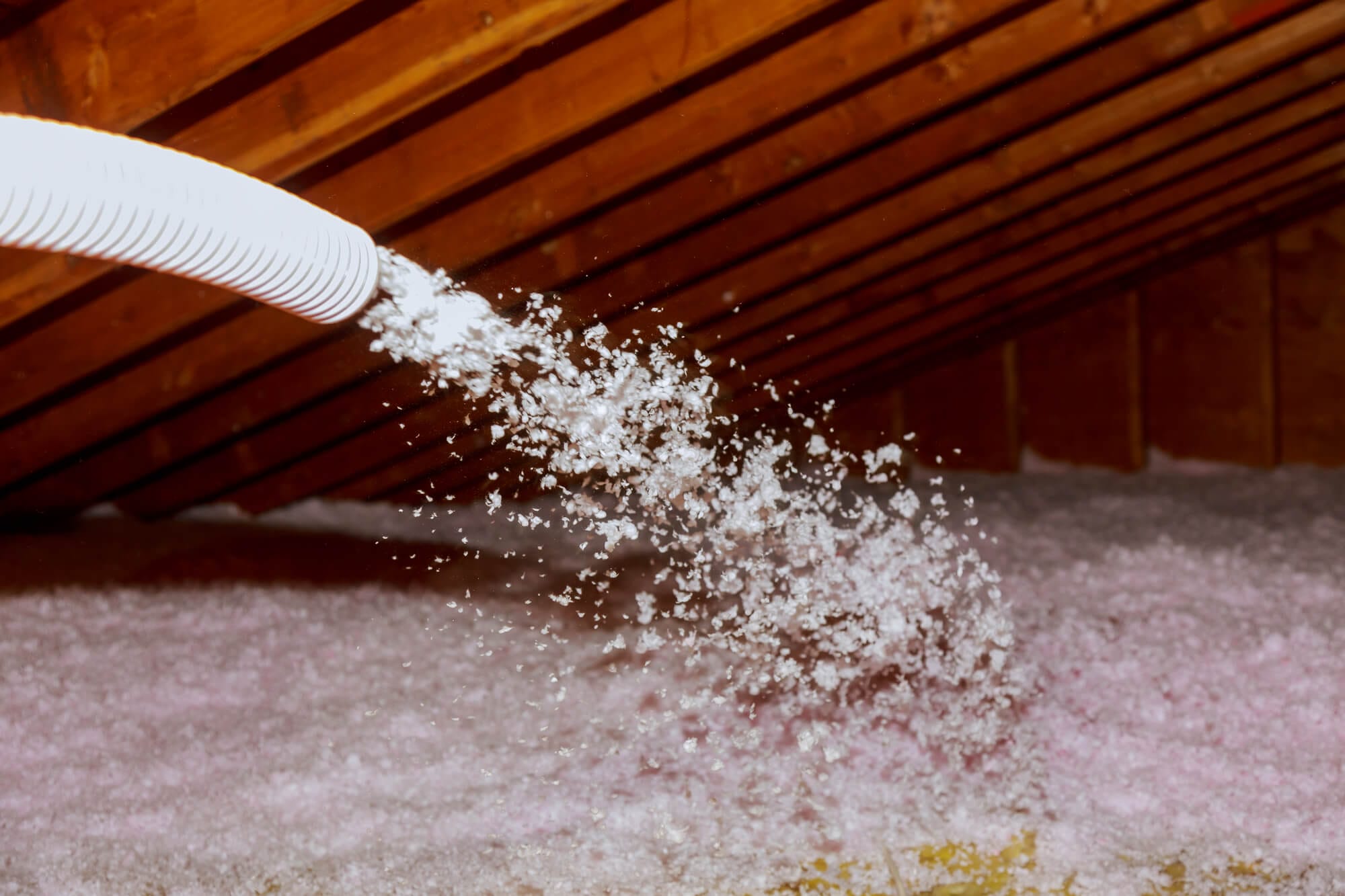
Spray foam is a brilliant home improvement tool that is most commonly known for being a home insulator. This is particularly important for homes in temperate climates with variable weather conditions throughout the seasons. It is one of the most critical elements in constructing a home that can withstand these conditions over time and as such, professional insulator fees can become costly and you may be wondering if you can do it yourself.

While it is recommended to hire professional foam spray insulator companies for large insulation jobs, there are DIY spray foam insulation kits available, ideal for small jobs or for those experienced in working with this type of insulation. There are a few factors to consider before you DIY.

Spray foam insulation is quickly overtaking conventional insulators like fiberglass and cellulose for home and office insulation due to its flexibility and efficacy at protecting against harsh temperatures however, there are a few factors to think about when deciding if it is the best option for your space and if you should do it yourself.

What is Spray Foam Insulation?

Spray polyurethane foam, is a chemical compound made of Icynene-Lapolla, that is professionally sprayed into the cavities of a new or existing home’s walls, expanding up to 100 times its size to create a sound, moisture, and thermal barrier for the building. Nowadays, there are DIY spray foam insulation kits that allow you to insulate your space at a slightly cheaper cost than professional insulators.

The expansion of the spray foam insulation fills any gaps or holes where it is applied making it an effective home insulator that can simultaneously lower energy bills for those in temperate climates. Spray foam has a long life span as it will not lose its shape, compress, or sag over time making it an attractive option for homeowners.

Spray foam typically comes in three types. High-density spray foam is typically used for exterior and roofing applications when constructing new buildings. Medium-density spray foam is most commonly used on interior wall cavities, in unvented attics, and where continuous insulation is needed. Low-density spray foam is used on interior wall cavities and sometimes in unvented attics. Both medium and low-density options can be applied retroactively to your home. Spray foam also comes in an open cell and a closed cell option.

Spray Foam Insulation Compared to Fiberglass Insulation

Fiberglass is a conventional insulation option, that can easily be DIY installed and is still found in most homes in North America. The popularity of spray foam insulation has increased due to its effectiveness and structural integrity. There are some notable differences between spray foam and fiberglass insulation that might impact your choice of whether or not to install spray foam yourself as opposed to classic fiberglass.

How Spray Foam and Fiberglass Insulation Work

Fiberglass insulation works by trapping air pockets within the minuscule glass fibers thereby, slowing the transfer of heat and cool air. Spray foam works as an air, moisture, and vapor barrier by expanding to fill any gaps or cavities upon application, creating an effective seal.

The Cost Difference Between Spray Foam and Fiberglass

Fiberglass insulation is noticeably cheaper to install than spray foam insulation ranging from $0.40 to $1.20 per square foot and $1.00 to $6.00 per square foot respectively.

Installation of Fiberglass versus Spray Foam Insulation

Fiberglass insulation can be installed in sheets by a professional or by the homeowner whereas spray foam insulation should be installed by a professional. Both can be installed to an interior retroactively or during new home construction.

Effectiveness of Fiberglass and Spray Foam Insulation

Fiberglass insulation does allow for air leakage through any gaps or spaces around it whereas spray foam creates a seal upon expansion. Closed cell spray foam is dense and rigid prohibiting air and vapors from passing through. Open cell spray foam may allow some air leakage due to its lower density although this air movement is minimal. Spray foam insulation’s waterproof qualities also prohibit mold growth wherever it is applied, thus protecting your home’s foundation from rotting in the long term.

Based on this, fiberglass insulation is less energy efficient than spray foam insulation which can reflect on your energy bills, particularly in harsher winter months. Fiberglass insulation loses heat quickly whereas spray foam has a minimal difference if any.

Spray foam insulation also provides soundproofing qualities to a room whereas fiberglass insulation does not.

Lastly, fiberglass does not add or detract from the structural integrity of your home whereas spray foam insulation (especially closed cell foam) can add up to 250% racking strength to your walls and roof due to its rigid, all-encompassing set.

Safety Hazards of Fiberglass and Spray Foam Insulation

Fiberglass insulation is typically fire-resistant though it could be slightly flammable due to foil or kraft paper placed on the batts. Spray foam is flammable and should be installed with a fire-rated barrier like drywall to mitigate possible fire damage. Closed cell spray foam is usually developed with a fire-rate fire retardant making it a safer option than open cell spray foam.

Because spray foam insulation is made with reactive chemicals, exposure to it can cause respiratory or skin sensitivities, exacerbating conditions like asthma. Fiberglass insulation can be a skin irritant if your skin comes in direct contact with it.

Lifespan of Insulation

Fiberglass insulation should remain effective for 10-25 years as long as it remains dry. Spray foam insulation boasts an impressive lifespan of 80 years or more due to its moisture-resistant composition and structural integrity.

What Are the Reasons to DIY Spray Foam Insulation?

There are two main reasons why you might want to install spray foam insulation yourself aside from being able to take pride in doing it yourself. The first reason is the lower cost of DIY spray foam kits than professional installation. For small jobs, DIY spray foam is cost-effective however the DIY kits can be costlier for large jobs along with running the risk of improper application which could incur further repairs down the road.

The second reason is that you may be located remotely away from cities where professional insulators are. Applying spray foam insulation yourself can be the accessible option however, caution should be adhered to with large insulating tasks.

What Comes in a DIY Spray Foam Insulation Kit?

DIY spray foam kits like these include an ISO(A) cylinder, a Polyol (B) cylinder, INSTA-FLO Dispensing Spray Gun, 6 cone spray nozzles, 4 fan spray nozzles, and a 9-ft gun hose assembly (GHA). The insulation is fire rated though caution should be taken to apply it in even coats and necessary coverage.

What Do I Need to Know about DIY Spray Foam Insulation Kits?

DIY spray foam insulation kits are an appealing option to save a few dollars on professional installation fees however, there are a few important features of DIY kits to take note of before you start your insulating task.

Sealant vs. Insulation

Before buying your DIY Spray Foam Insulation kit it is important to note that there are also closed cell spray foam sealant kits available, however, the two are not interchangeable. Sealant should only be used to fill small cracks and the perimeter of the wallboards where fiberglass insulation will be installed. When used over a large surface, spray foam sealant loses its fire retardant qualities making it a serious safety hazard.

Wear Proper Protection

Because spray foam insulation is made of reactive chemicals, it can aggravate skin and respiratory conditions. Before you start applying DIY spray foam insulation you should always wear, goggles, a high-quality respirator mask, closed-toed shoes, a head-to-toe protective suit, chemical resistant gloves, and tape to seal any exposed skin space between your gloves and the rest of the suit.

The Cost of A DIY Kit Compared to Professional Installation

The average cost of professionally installing spray foam insulation into an existing home with closed wall cavities can range from $1.50 to $2.25 per square foot and you will need to take into account the added labor costs required to remove existing insulation depending on the insulation company

DIY spray foam insulation kits available allow you to install spray foam into your home yourself. The average cost for about 200 square feet is $300.00 to $600.00. These kits typically include two types of liquid (Icynene), which are heated then pushed through a gun.

The average cost to install spray foam insulation yourself can be appealing as it is lower than a professional install however, if you are not experienced at working with spray foam insulation, it can be challenging to apply in even coats.

If improperly installed, the cost to repair and redo the insulation can be high. It should also be noted that DIY spray foam insulation is typically only cost-effective for small jobs and can be more expensive than professional installation for larger insulating tasks. It is also recommended to use professional insulator services to uphold the safety and fire retardant qualities of the spray foam once it is applied.

Where Can I Use Spray Foam?

The main goal of spray foam insulation is to reduce air, vapor, and sound transfer in your home.

Sealing the Spaces Around Doors and Windows

You can use low expanding spray foam to seal any gaps around newly installed doors and windows, as the frame tends to be slightly larger than the door or window itself.  Please note, that a spray foam sealant may work better in these spaces than spray foam insulation.

Seal Areas Where Air Loss May Occur

In attics, basements, or crawl spaces, check carefully for any gaps or light leaks that may indicate a point where there is air transfer. Apply spray foam (ideally closed cell) to seal these gaps.

Seal Small Cracks and Holes That May Be Used by Insects or Pests

If you discover insects or pests in your home without an obvious reason, check for small cracks or holes that they could be coming in through. These cracks can then be filled with spray foam. Please note, that if a hole is large enough to let through mice or rats, you should get it professionally repaired or apply wire mesh to the area before spray foam as larger pests can sometimes chew through spray foam.

Seal Around Exterior Electrical and Plumbing Penetrations

Where electrical and plumbing pipes are run into a house, are common points for air leaks and can be filled with spray foam insulation.

Where Should I Avoid Using Spray Foam Insulation?

Do Not Use Spray Foam on Foundation, Driveway, Concrete, and Other Structural Cracks

It is best to get a professional assessment done on structural cracks on your property as it is hard to gauge the depth of cracks. Depending on the depth of the crack, there may be other issues that need to be fixed before the crack can be repaired.

Do Not Use Spray Foam to Fill Structural Gaps

If you are flipping or building a home and cut a piece of foundational wood the incorrect size, do not fill the gap with spray foam as it is not structurally rated.

Do Not Fill Eaves and Soffits

In some homes, eaves and soffits are used in attics as ventilation space for the home. If these are filled, your home will not be able to vent effectively with the airflow needed.

Do Not Seal Water Leaks from Plumbing Fixtures

It can be tempting to use spray foam to stop a leaky pipe however, it is best to call a plumber to assess the cause of the leak and properly repair any damaged piping. Using spray foam to fix a water leak can lead to much larger and costlier damage down the line such as allowing water to build up, supporting mold growth, and causing foundational wood rot.

Do Not Use Spray Foam Too Close to Electrical Boxes

Because of the way spray foam insulation expands, it could potentially hinder and jam up parts of electrical boxes. If spray foam is to be used near an electrical box, it should be a low expanding, closed cell foam. Installing spray foam insulation near an electrical box also poses a fire risk as it is made of flammable chemicals.

Do Not Use Spray Foam Too Close to Light Boxes

Similar to the issue with electrical boxes, if spray foam insulation is applied too closely to recessed ceiling lights, heat can be trapped in posing a fire risk. Some recessed lighting is graded compatible with spray foam insulation however this should only be done by a professional if attempted.

Do Not Try to Use Spray Foam in One Session

Oftentimes, people will try to use as much spray foam as they can since the straws on the spray cans or nozzles on DIY home kits can become clogged. It is best to use spray foam insulation in small amounts and buy extra straws or nozzles if needed. DIY kits usually come with multiple nozzles.

Skin and Respiratory Health Concerns:

If you have a history of skin sensitivity, respiratory health issues, or asthma, spray foam insulation can be an irritant. Because spray foam is made of reactive chemicals it can cause or exacerbate skin and breathing problems. For this reason, installation is best left to professionals to minimize contact with the chemicals.

Why You May Not Want to DIY Spray Foam Insulation

The average cost to install spray foam insulation yourself can be appealing as it is lower than a professional install however, if you are not experienced at working with spray foam insulation, it can be challenging to apply in even coats.

If applied unevenly or with gaps left in the application, it fails to create a fully waterproof, air, heat, and sound transfer-resistant seal which could cost you more, in the long run, to redo and nullifies the benefit of how effective spray foam insulation can be when properly installed. If you are new to working with spray foam insulation, limit your work to small spaces and consult with a professional company for larger areas.

The Dangers of Doing Spray Foam Insulation Yourself

Aside from possible uneven coating, applying spray foam insulation yourself can be risky. Most spray foam is flammable and should not be applied too close to electrical boxes or lightboxes as the foam can set and damage the units and be at risk for combustion.

It also takes practice and skill to learn about how much any type of spray foam will expand once applied. This can be a safety and foundation issue to your home when you are applying spray foam insulation to a closed cavity space.

In a closed cavity space, it is best to call professional insulators. The expansion rate of spray foam is rapid and can offset the pressure in a closed cavity space that can lead to structural damage.

Final Thoughts

DIY spray foam insulation can be appealing to save on costs for small insulating jobs or if you are in a remote location away from professional insulating companies however, if you are inexperienced at working with spray foam insulation, it is best to call a professional to ensure safety and cost-efficiency in the long run.
Sources

What it is

Three types

Open vs. closed cell

Amazon kits

DIY Kits

Average cost

DIY cost

Spray foam vs. fiberglass

Spray foam allergies

How Much is Spray Foam Insulation Going to Cost?

How much is spray foam insulation going to cost

How Much is Spray Foam Insulation

Spray foam is a brilliant home improvement tool that is most commonly known for being a home insulator. This is particularly important for homes in temperate climates with variable weather conditions throughout the seasons. It is one of the most critical elements in constructing a home that can withstand these conditions over time and as such, you may be wondering how much spray foam insulation will cost you.

The cost of insulating your home with spray foam insulation depends on where in the home it will be applied, how much board footage it will need to cover, and whether you need open cell or closed cell spray foam. The average cost of spray foam insulation is $1.00-$6.00 per square foot.

Spray foam insulation is quickly overtaking conventional insulators like fiberglass and cellulose for home and office insulation due to its flexibility and efficacy at protecting against harsh temperatures however, there are a few factors to think about when deciding if it is the best option for your space.


What is Spray Foam Insulation?

Spray polyurethane foam, is a chemical compound made of Icynene-Lapolla, that is professionally sprayed into the cavities of a new or existing home’s walls, expanding up to 100 times its size to create a sound, moisture, and thermal barrier for the building.

The expansion of the spray foam insulation fills any gaps or holes where it is applied making it an effective home insulator that can simultaneously lower energy bills for those in temperate climates. Spray foam has a long life span as it will not lose its shape, compress, or sag over time making it an attractive option for homeowners.

Spray foam typically comes in three types. High-density spray foam is typically used for exterior and roofing applications when constructing new buildings. Medium-density spray foam is most commonly used on interior wall cavities, in unvented attics, and where continuous insulation is needed. Low-density spray foam is used on interior wall cavities and sometimes in unvented attics. Both medium and low-density options can be applied retroactively to your home. Spray foam also comes in an open cell and a closed cell option.


The Differences Between Open Cell and Closed Cell Spray Foam Insulation

Open and closed cell spray foam insulation are two types of insulation that differ in what they can achieve when used. It is best to consult with a professional spray foam application team to determine which would best suit your needs.

Open cell spray foam is made of cells that are not fully encapsulated. The cells are deliberately left open to make for a softer and more flexible material. Closed cell spray foam on the other hand consists of encapsulated cells that are pressed together so that air, moisture, and vapors are unable to get inside of the foam. As a result, closed cell foam feels much more rigid and sturdy than open cell foam.

Because of the nature of the cells, they expand differently. Closed cell foam expands to about 1 inch of thickness when sprayed, requiring a few layers of applications for effective thickness. Open cell foam expands to about 3 inches of thickness when applied which is typically enough insulation for most standard homes.

Open cell foam is beneficial where other forms of insulation cannot otherwise reach or cover because of its ability to expand (even more so than closed cell foam). Because open cell foam can fill in nooks and gaps between wall studs, it is effective at soundproofing rooms. Due to open cell foam’s lower density, it is more affordable than closed cell foam however it is also less effective at acting as a significant thermal insulator in extreme weather conditions.

Closed cell foam is much more robust in its insulation capabilities, especially in small spaces. Because closed cell foam has a higher density and sets more rigidly than open cell foam, it contributes to your home’s structural integrity. Closed cell foam is resistant to water damage while also acting as a barrier against vapor and air transfer making it more effective in extreme climates.


Spray Foam Insulation Compared to Fiberglass Insulation

Fiberglass is a conventional insulation option still found in most homes in North America however the popularity of spray foam insulation has increased due to its effectiveness and structural integrity. There are some notable differences between spray foam and fiberglass insulation.


How Spray Foam and Fiberglass Insulation Work

Fiberglass insulation works by trapping air pockets within the minuscule glass fibers thereby, slowing the transfer of heat and cool air. Spray foam works as an air, moisture, and vapor barrier by expanding to fill any gaps or cavities upon application, creating an effective seal.


The Cost Difference Between Spray Foam and Fiberglass

Fiberglass insulation is noticeably cheaper to install than spray foam insulation ranging from $0.40 to $1.20 per square foot and $1.00 to $6.00 per square foot respectively.


Installation of Fiberglass versus Spray Foam Insulation

Fiberglass insulation can be installed in sheets by a professional or by the homeowner whereas spray foam insulation should be installed by a professional. Both can be installed to an interior retroactively or during new home construction.


Effectiveness of Fiberglass and Spray Foam Insulation

Fiberglass insulation does allow for air leakage through any gaps or spaces around it whereas spray foam creates a seal upon expansion. Closed cell spray foam is dense and rigid prohibiting air and vapors from passing through. Open cell spray foam may allow some air leakage due to its lower density although this air movement is minimal. Spray foam insulation’s waterproof qualities also prohibit mold growth wherever it is applied, thus protecting your home’s foundation from rotting in the long term.

Based on this, fiberglass insulation is less energy efficient than spray foam insulation which can reflect on your energy bills, particularly in harsher winter months. Fiberglass insulation loses heat quickly whereas spray foam has a minimal difference if any.

Spray foam insulation also provides soundproofing qualities to a room whereas fiberglass insulation does not.

Lastly, fiberglass does not add or detract from the structural integrity of your home whereas spray foam insulation (especially closed cell foam) can add up to 250% racking strength to your walls and roof due to its rigid, all-encompassing set.


Safety Hazards of Fiberglass and Spray Foam Insulation

Fiberglass insulation is typically fire-resistant though it could be slightly flammable due to foil or kraft paper placed on the batts. Spray foam is flammable and should be installed with a fire-rated barrier like drywall to mitigate possible fire damage. Closed cell spray foam is usually developed with a fire-rate fire retardant making it a safer option than open cell spray foam.

Because spray foam insulation is made with reactive chemicals, exposure to it can cause respiratory or skin sensitivities, exacerbating conditions like asthma. Fiberglass insulation can be a skin irritant if your skin comes in direct contact with it.


Lifespan of Insulation

Fiberglass insulation should remain effective for 10-25 years as long as it remains dry. Spray foam insulation boasts an impressive lifespan of 80 years or more due to its moisture-resistant composition and structural integrity.


Is Spray Foam Insulation Worth It?

Spray foam installation is considered to be a superior insulation option nowadays. It can be installed into newly constructed homes or retrofitted into older homes. While the upfront costs of spray foam insulation are higher than older insulation types like fiberglass and cellulose, the overall benefits make it worthwhile.

Spray foam insulation acts as an effective air, moisture, and sound barrier where it is installed. Because of how it expands, it can be applied to many spaces. Spray foam increases the structural integrity of your home and has a significantly longer lifespan itself than other insulation types.

The efficacy of spray foam insulation also means it can help reduce your energy bills especially if you live in a climate with drastic weather differences between the seasons lessening the workload of your home heating and cooling systems.


Where Can Spray Foam Insulation Be Applied?

Spray foam insulation expands to fill the space it has been applied to, including all of its gaps making it ideal to use in multiple locations of your home.


Attics, Crawl Spaces, or Basements

In areas of your home where there may not be enough space to apply panels or rolls of fiberglass or cellulose insulation, spray foam insulation can easily be applied, taking the shape of the cavity it is sprayed into. Spray foam insulation is beneficial for any gaps or nooks that may be hard to reach in these particular areas as it creates a seal once set.


Flooring

Spray foam insulation can be installed alongside ducts and pipes protecting them and adding an insulating layer which can lower your energy costs overall.


Walls

Spray foam insulation requires no joints or fittings and can be sprayed directly into wall cavities to provide thermal and soundproof insulation. It should be noted that due to the flammable nature of open cell foam, it should be sprayed on a fire-grade barrier like drywall as an added layer of protection.


Roofs

High-Density spray foam insulation is ideal for building exteriors and roofing as it is perfectly waterproof and eliminates thermal bridges. It does not sag or shift over time making it a strong structural choice for roofing insulation.


Where Should Spray Foam Insulation Not Be Installed

Even though it is regarded as an effective and popular innovation in insulation, there are some instances where spray foam insulation should not be installed or at the very least, installed professionally with extreme care and caution.


Areas that are too close to electrical boxes:

Because of the way spray foam insulation expands, it could potentially hinder and jam up parts of electrical boxes. If spray foam is to be used near an electrical box, it should be a low expanding, closed cell foam. Installing spray foam insulation near an electrical box also poses a fire risk as it is made of flammable chemicals.


Areas that are too close to ceiling lightboxes:

Similar to the issue with electrical boxes, if spray foam insulation is applied too closely to recessed ceiling lights, heat can be trapped in posing a fire risk. Some recessed lighting is graded compatible with spray foam insulation however, this should only be done by a professional if attempted.


Open cell spray foam insulation on your roof:

Because open cell spray foam has a larger expansion and a lower density, it can allow for minimal air and moisture transfer. If this occurs on the roof and moisture settles in the roof sheathing, it can rot causing a much costlier and unsafe issue to repair in the future. It is best to use closed cell spray foam insulation on your roofing to mitigate this risk altogether.


Closed cavity spaces:

In a closed cavity space, it is better to use an injection foam rather than a spray foam. The expansion rate of spray foam is rapid and can offset the pressure in a closed cavity space that can lead to structural damage. Injection foam on the other hand expands in a slower, controlled manner to reduce pressure and then form a seal.


Skin and respiratory health concerns:

If you have a history of skin sensitivity, respiratory health issues, or asthma, spray foam insulation can be an irritant. Because spray foam is made of reactive chemicals it can cause or exacerbate skin and breathing problems. For this reason, installation is best left to professionals to minimize contact with the chemicals.


2021 Cost to Install Spray Foam Insulation

The cost to install spray foam insulation depends on where the insulation is being applied, board foot coverage, and whether you will be using open cell or closed cell spray foam insulation. Open cell spray foam is typically cheaper than closed cell insulation and requires fewer coats to achieve the desired insulation thickness although its effectiveness varies.

The average cost to install spray foam insulation in 2021 is $1.00 to $6.00 per square foot with rates varying based on the aforementioned variables and different insulation companies.


How Much Does Spray Foam Insulation Cost in the Toronto Area?

The average cost to professionally install spray foam insulation in the Toronto area in 2021 is approximately $2,021.00. This amount depends on whether the installation is in a newly constructed space or if it is being retrofitted into an existing space.

If spray foam insulation is being installed top to bottom in a new normal-sized home in Toronto, the cost to insulate can range from $8,000.00 to $14,000.00 in total.

Open cell spray foam costs $0.44 to $3.00 per square foot, while closed cell spray foam costs $1.25 to $1.65 per square foot. Overall, open cell spray foam insulation is a slightly cheaper option than closed cell foam installation.


What is the Average Cost of Spray Foam Insulation for an Existing House in 2021?

Installing spray foam insulation into a new home can be much cheaper than installing insulation into an older home. When installed into a new home, the insulating company can ensure that the insulation is designed to properly fit the space and protect it against air and sound transfer. This can be a challenge with the foundations of an older home especially if old insulation needs to be removed further impacting the cost.

The average cost of installing spray foam insulation into an existing home with closed wall cavities can range from $1.50 to $2.25 per square foot and you will need to take into account the added labor costs required to remove existing insulation depending on the insulation company.


Can You DIY Spray Foam Insulation Installation

There are spray foam insulation kits available that allow you to install spray foam into your home yourself. The average cost for about 200 square feet is $300.00 to $600.00. These kits typically include two types of liquid (Icynene), which are heated then pushed through a gun.

The average cost to install spray foam insulation yourself can be appealing as it is lower than a professional install however, if you are not experienced at working with spray foam insulation, it can be challenging to apply in even coats.

If applied unevenly or with gaps left in the application, it fails to create a fully waterproof, air, heat, and sound transfer-resistant seal which could cost you more, in the long run, to redo and nullifies the benefit of how effective spray foam insulation can be when properly installed. If you are new to working with spray foam insulation, limit your work to small spaces and consult with a professional company for larger areas.


Final Thoughts

While spray foam insulation can appear to be a costly investment upfront, it can protect your home and minimize energy expenses over the long run ultimately saving you money. The airtight, vapor, and soundproof seal it forms makes it an attractive choice to insulate your home with whether it is under construction or needs to be retrofitted to an existing space.


Sources

What it is

Three types

Open vs. closed cell

Spray foam vs. fiberglass

Spray foam allergies

Average cost

Toronto

Existing homes

Contact us

Contact us to help you get the best service for your home or business

63 Alness St #7b, North York, ON M3J 2H2

Mon-Fri: 9 AM – 7 PM